Your AI transformation
starts here.
I guide organizations that want to move from AI talk to real results. IAgile methodology, SAFe AI-Native coaching, 12+ years in the field.
Why 70% of AI transformations fail
The problem is almost never the technology. It's the approach.
Strategy without execution
Brilliant roadmaps that die on contact with reality. No quick wins, no buy-in, no budget for next steps.
Technology without humans
Tools deployed without rethinking processes. Teams endure AI instead of co-piloting it. Passive resistance, surface-level adoption.
Consulting without fieldwork
Generic frameworks applied without context. 200 PowerPoint slides, zero real change in daily workflows.
An AI transformation that delivers results at every stage
IAgile merges organizational agility and artificial intelligence. No big bang. Short iterations, measurable results, real adoption.
Diagnostic & Quick Wins
Audit your workflows, identify high-ROI AI opportunities, deploy first use cases.
4 weeksProcess transformation
Redesign workflows around human-AI co-intelligence. New roles, new responsibilities.
2-3 monthsCoaching & upskilling
Train managers in AI-native leadership. Coach teams. Build lasting autonomy.
3-6 monthsAgility at scale
SAFe AI-Native: augmented PI Planning, optimized value streams, integrated AI governance.
OngoingEach stage is independent. Start with whatever has the most impact for your organization.
What changes with this approach
| Traditional approach | IAgile method | |
|---|---|---|
| First results | 6-12 months | 4 weeks |
| Focus | Tool deployment | Process transformation |
| Adoption | Top-down, imposed | Bottom-up, iterative |
| Deliverables | Reports & recommendations | Deployed workflows & trained teams |
| ROI | Promised at program end | Measured at every stage |
How an AI transformation engagement unfolds
The engagement adapts to the organisation, with an on-site presence of 2 to 5 days per week. The stronger the field presence, the deeper and faster the team support can go.
Individual — train, drive adoption, build autonomy
Supporting people in the concrete use of AI. Not tool training: we start from real use cases and the friction they hit daily, to prove value fast in their own context. The goal is adoption, the right reflexes, rising skill, then autonomy.
From the first weeksTeam — redesigning workflows with AI
Moving from individual to collective practice. We open up the team's workflow with a Lean tool, Value Stream Mapping: understanding how value is actually produced, spotting friction, low-value tasks and delays — then determining where AI genuinely adds value, and where it does not. We then deploy what was selected and measure its impact.
Once first uses landOrganisation — industrialise and govern
As teams mature, the discussion outgrows a single team. The topics become organisational: governance, standards, shared practices, tooling, value measurement, industrialisation, and the ability to reproduce what works at greater scale.
Around 3 monthsMeasurable results
After three months, the observed floor is 40 % operational efficiency gain on transformed activities. Some go well beyond that.
The point is not only to go faster. It is to produce more value and more quality, while building in the mechanisms needed to control the risks, biases and limits that come with AI. The end goal is moving from AI as an individual tool to AI as a lever that transforms the work system itself.
Where I work
Paris and Luxembourg. The Paris headquarters of CAC 40 groups, and Luxembourg institutions — banking, insurance, asset management — facing the same AI challenges with regulatory constraints and multilingual teams of their own.
The method was proven on large accounts, but it adapts: on a smaller organisation the scope tightens and the three levels move faster. No engagement is turned away on size.
12+ years of transformation, from the field to the C-suite
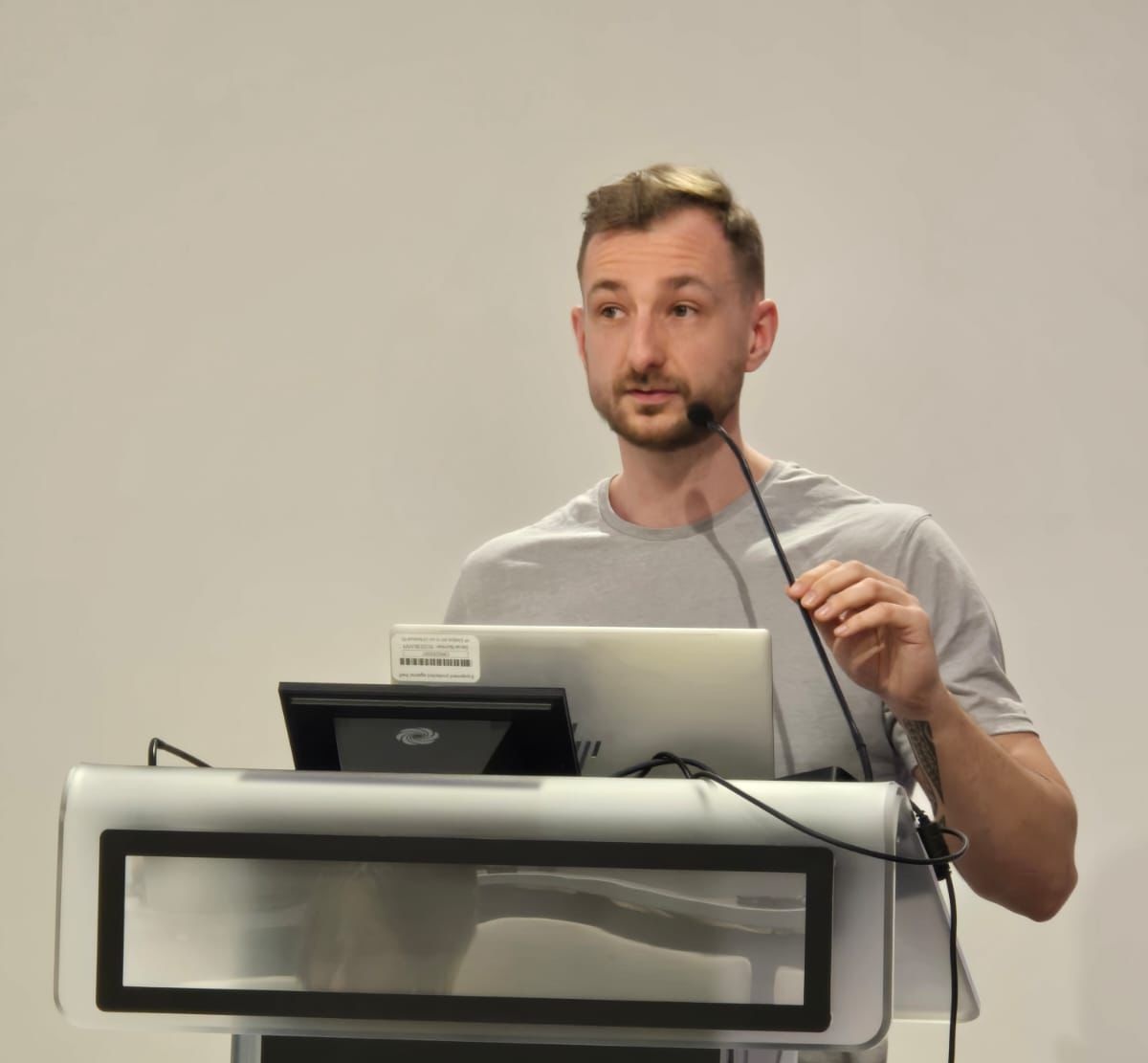
Brian PLUS
AI transformation consultant and SAFe AI-Native coach at inspearit. Creator of the IAgile methodology and the AI-Native Compass leadership framework. I have guided organizations like Orange, Renault, Allianz, and La Poste through their agile and AI transformation.
My approach is simple: fewer slides, more results. I work with your teams in the field, not in a conference room.
Certifications
- SAFe 6 Practice Consultant (SPC)
- SAFe 6 Agilist (SA)
- SAFe 6 Product Owner / Product Manager
- SAFe 6 Scrum Master (SSM)
- SAFe 6 DevOps
- SAFe 6 Lean Portfolio Management
- SAFe 6 Government Practitioner
- Professional Scrum Product Owner (PSPO I)
What decision-makers ask
Ready to transform your organization?
30 minutes of free diagnostic. Together we identify your first AI quick wins and the path to lasting transformation.